Client ownership remains central; broker protection now operates through tighter, time-bound pledge control
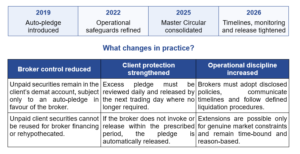
SEBI has not replaced the existing model – it has made it more transparent, time-bound and investor protective.
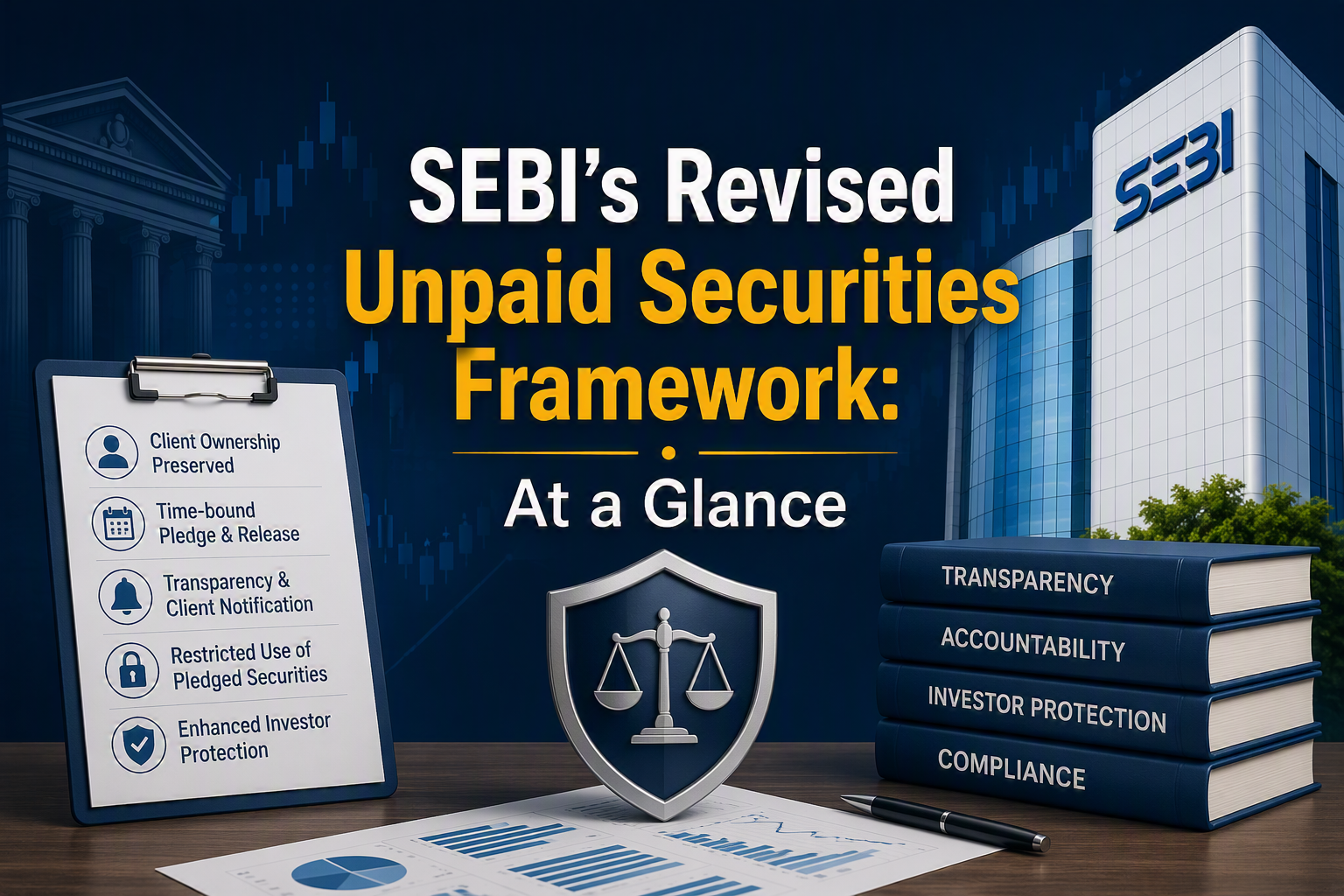
SEBI’s revised framework for unpaid client securities is best understood as a tightening of the existing auto-pledge model, rather than a complete reset. The core architecture continues to preserve client ownership: securities purchased by a client are credited to the client’s own demat account, while the broker’s protection operates through an auto-pledge in favour of a separate Client Unpaid Securities Pledgee Account. This gives the broker a defined recovery mechanism if payment is not received, without transferring custody of the securities away from the client or allowing open-ended broker control.
The material change lies in the discipline around this arrangement. Brokers are now expected to follow a disclosed policy setting out the process, reasons, manner and timing for release, invocation and liquidation of unpaid securities. Clients must also be informed of the outstanding payment obligation and the broker’s right to sell the securities if dues remain unpaid. This shifts the framework away from discretionary handling and towards a more predictable, auditable and time-bound process.
The five trading day window is central to the revised framework. If the client clears the payment obligation, the pledge must be released. If the client does not pay, the broker may invoke the pledge and liquidate the securities after following the prescribed process. If the broker neither invokes nor releases the pledge within the prescribed period, the pledge is automatically released. This investor-protection feature prevents unpaid securities from remaining under pledge indefinitely merely because no affirmative action has been taken.
The framework also restricts how such pledged securities may be used. While they may be considered for limited margin reporting purposes, brokers cannot use them to provide fresh trading exposure to the client. Further, unpaid securities pledged to the CUSPA cannot be reused, transferred or pledged to banks or NBFCs for raising funds. The distinction is significant: the pledge secures the broker’s unpaid purchase exposure, but does not convert client securities into a financing resource for the broker.
From a broker’s perspective, the revised framework provides clearer operational certainty. It recognises that brokers require a workable mechanism to manage unpaid purchase obligations, particularly where securities have already been credited directly to the client. At the same time, it requires daily monitoring of excess pledges, prompt release where the pledge is no longer required, and reason-based extensions only in limited cases involving genuine market constraints. The result is a more structured compliance environment, with less room for ambiguity in day-to-day handling.
From an investor’s perspective, the framework strengthens three key protections: ownership, transparency and release. Ownership is preserved because the securities remain in the client’s demat account. Transparency is improved because the client must be notified of the payment obligation and the consequences of non-payment. Release is strengthened because excess or unresolved pledges cannot continue indefinitely and must be released within defined timelines. Together, these safeguards reduce the risk of misuse, delayed release or prolonged encumbrance of client assets.
In substance, SEBI has not replaced the existing model; it has made it more precise. The revised framework balances broker risk protection with investor asset protection by allowing a narrow, time-bound pledge while preventing indefinite retention or reuse of securities. For market participants, the immediate focus will be on updating internal policies, client communications, system controls and daily monitoring processes so that pledge creation, release, invocation and liquidation are handled within the prescribed timelines.
Authors:

Disclaimer:
This article is intended for informational purposes only and does not constitute a legal opinion or advice. Readers are requested to seek formal legal advice prior to acting upon any of the information provided herein. This article is not intended to address the circumstances of any particular individual or corporate body. There can be no assurance that the judicial / quasi-judicial authorities may not take a position contrary to the views mentioned herein