Brief Overview:
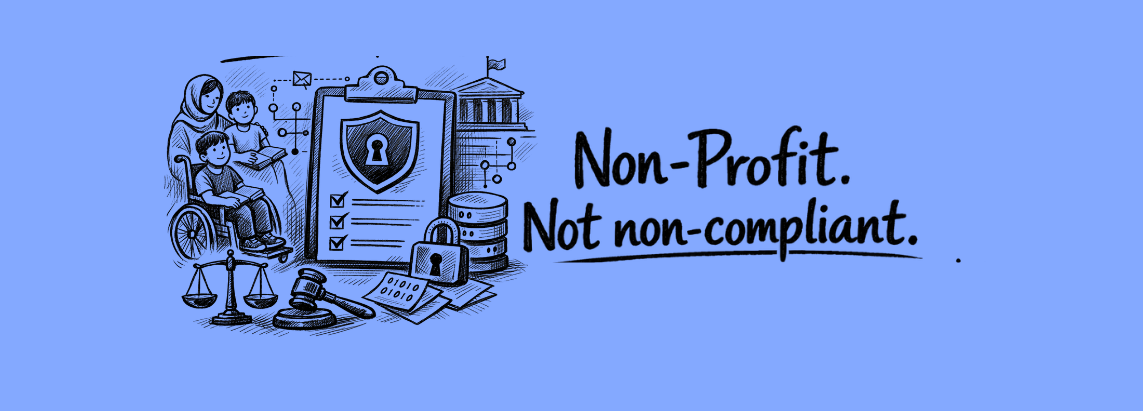
Working for a social cause does not place you outside India’s data protection net. The new data protection regime in India regulates the use of digital personal data with a singular focus on protecting individuals, not evaluating the intent or charitable character of the organization processing it.
For NGOs too, compliance to the regime is not voluntary best practice but enforceable compliance, particularly where data relates to children or other vulnerable individuals.
Technical Details:
Does the Digital Personal Data Protection Act, 2023 (“DPDP Act”) carve out exemptions for NGOs or non‑profit bodies, particularly where data is processed for charitable, educational, or welfare purposes?
1) The statutory position is clear: Applicability hinges on activity, not identity. NGO status or welfare orientation alone does not override consent requirements.
2) Children’s data processing requires verifiable parental or lawful guardian consent and prohibits tracking, behavioral monitoring, or targeted outreach that could cause harm.
3) Disability‑linked data demands higher care. Such data frequently falls within sensitive contextual categories, necessitating purpose specificity, data minimization, and appropriate technical safeguards.
4) Government funding or programme linkage does not neutralize obligations. Even where NGOs act as implementation partners or service providers, independent statutory responsibility for data protection continues to rest with the organization.
5) NGOs handling large volumes of sensitive data, especially relating to children or vulnerable individuals, may attract enhanced compliance obligations under future notifications.
This position has recently been reinforced through regulatory action. The Uttarakhand Government has issued a formal directive to NGOs engaged under the Samagra Shiksha programme, requiring demonstrable compliance with the DPDP Act. The diktat issued makes clear that failure to align with data protection obligations may result in cancellation of existing MoUs and disengagement from the programme.
This direction underscores that NGOs operating as implementation partners for government‑funded welfare and education schemes do not operate in a compliance vacuum. Irrespective of intent or programme affiliation, responsibility for lawful data handling remains squarely with the organization processing the data.
JC takeaway:
1) NGOs and non‑profits squarely fall within the DPDP Act compliance framework, and weak or undocumented data practices can directly impact funding continuity, partnerships, programme participation, and institutional trust.
2) Good intent is no longer sufficient; DPDP Act readiness is increasingly viewed by donors, government agencies, and stakeholders as a marker of organisational maturity and reliability.
3) Organisations handling children’s data or disability‑related data face heightened scrutiny and expectations, making early and deliberate compliance alignment critical to reducing legal, operational, and reputational exposure.
For further details, please see:
Diktat issued by Uttarakhand Government.pdf
For any queries/clarifications, please feel free to ping us and we will be happy to chat: